EU Batteries Regulation: What Consumers Need to Know About Safe Battery Use and Recycling
April 20, 2026
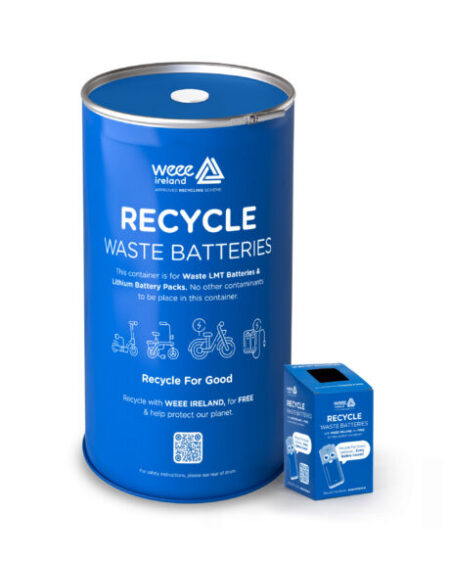
WEEE Ireland encourages responsible and sustainable battery management
With the introduction of the European Batteries Regulation (EU) 2023/1542, WEEE Ireland is committed to continuing to ensure information about the critical importance of safe battery use and proper recycling is available and accessible. The new regulation places clear responsibilities on battery Producers and Distributors ensuring that you, as a consumer, can return waste batteries free of charge at accessible collection points nationwide.
Helping Batteries Live Longer
Proper battery management starts at home. To extend the lifespan of your batteries and reduce waste, always follow the manufacturer’s instructions for charging and storage. Avoid exposing batteries to extreme heat, prevent overcharging or deep discharge, and use only compatible chargers. Storing batteries in a cool, dry place and opting for rechargeable or long-life batteries can further promote sustainable usage.
Before discarding devices, consider reuse options. Passing along safely working electronics to others or exploring trade-in and refurbishment schemes helps keep batteries in circulation longer. WEEE Ireland’s “Close the E-Loop” initiative highlights Producers offering trade-in programmes, maximising the value and lifespan of batteries before recycling.
Never Bin Batteries
Never dispose of batteries in your household bin. Under the EU Batteries Regulation, both Producers and Distributors who sell batteries must accept similar waste batteries at no cost to the consumer, regardless of brand, chemistry or origin. WEEE Ireland provides a convenient network of collection points—look out for the Blue Battery Box in supermarkets, pharmacies, and DIY stores, or use the Battery Recycling Map to find your nearest drop-off location. Civic amenity sites and public collection days also accept waste battery types, ensuring recycling is free and accessible for consumers.
Safety is paramount when handling used batteries, which can pose serious health and environmental risks. For more information on battery safety, visit the dedicated battery health and safety section of the WEEE Ireland website, and consult specialised guidance for long-life lithium and EV batteries.
Labels and Symbols – What Do They Mean?
There are a number of important labels and symbols that you may see on your batteries;
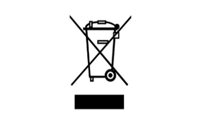
The crossed-out wheelie bin symbol is present on every battery in the EU and reminds you that batteries must be disposed of separately and never in household waste.

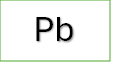 Some batteries also feature chemical symbols like “Pb” (lead) or “Cd” (cadmium), indicating the presence of hazardous materials. The “Pb” label indicates that a battery contains more than 0.004% of Lead, while the “Cd” label on a battery indicates the battery has a cadmium content of more than 0.002%. These must be handled and recycled with extra care to avoid environmental contamination and health hazards.
Why Does Proper Waste Battery Management Matter?
Batteries are powered by chemical energy and contain substances that can harm our environment and human health if not disposed of correctly. Some batteries contain materials that can be toxic or hazardous if released into the environment or managed improperly such as lead, cadmium, mercury, lithium, etc. They can leak into soil and water if dumped illegally, littered or even disposed of improperly to landfill.
Throwing batteries in your household bin can also lead to fires in waste collection trucks or plants (lithium batteries are a known cause of fires when improperly disposed of and if compacted). By recycling batteries through WEEE Ireland and its trusted partners, we can prevent damage to our environment. Moreover, batteries contain important materials (e.g. zinc, nickel, cobalt, lithium) which can be recovered and used again. When you recycle batteries, recovered materials are used to make new products, reducing the need for mining new materials. This conserves resources and supports the circular economy, while strengthening European resilience by reducing our dependence on other countries for these materials. So, recycling your batteries is a small action that has a big positive impact: it prevents pollution, protects human health, wildlife and water quality, reduces greenhouse gas emissions from production of new materials, and saves energy.
Environmental Management Costs
When you purchase any new battery, either on its own or sold within a device, the retail price includes the cost of safe and environmentally sound management and recycling at end-of-life. This fee may be displayed to you in a number of ways, such as on the product price display, through a website link or on your receipt. This contribution is included in the price of all batteries, whether they are sold in stores or through online websites and marketplaces. When returning batteries for recycling, consumers will never be charged for takeback at any collection point.
For further information on battery recycling, collection points, and compliance, visit the WEEE Ireland website. Queries about collection, takeback, certification, or enforcement can be directed to the relevant email contacts listed below.
WEEE Ireland Contacts
- Collection point, Takeback and Recycling queries: operations@weeeireland.ie
- Membership, Certification and Compliance Queries: info@weeeireland.ie
Other Contacts
- Producer Registration and Reporting: info@producerregister.ie
- Enforcement: info@epa.ie weee@epa.ie
- Department of Climate, Energy and the Environment DCEE PRI@dcee.gov.ie