Buy, break, bin? Ireland’s growing Fast Tech habits revealed
October 13, 2026
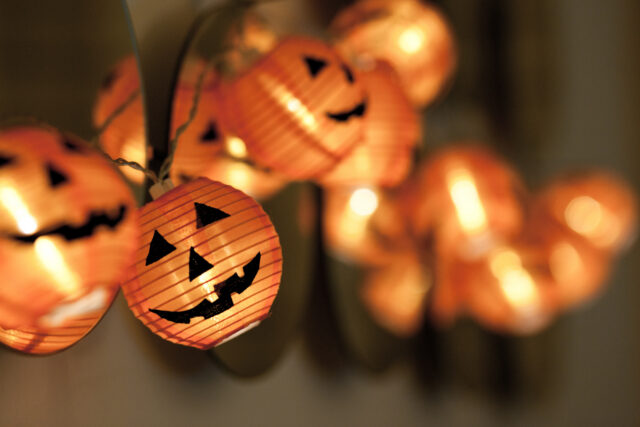
Irish consumers are fuelling a growing ‘fast tech’ trend, with many barely-used gadgets ending up as waste.
Irish consumers are fuelling a growing ‘fast tech’ trend of lower cost, small electronic items, leading to a mountain of discarded e-waste, a new survey reveals today. (Oct 12)
In the 12 months to July of this year, almost half of Irish people (44 per cent) discarded a fast tech item – usually bought on impulse or as a novelty – unused, after a single use or within a month.
Nearly two-thirds (64 per cent) said the shortest time they used an item before discarding it was six months or less.
A third had thrown at least one item in a bin and a quarter kept them at home, with fewer than half using a recycling centre.
The online study, conducted in July, found that nearly nine in ten Irish consumers purchased fast tech electronics in the previous 12 months – including mini-fans, festive lights and decorations, wireless headphones and speakers, power banks and chargers and electronic toys.
A total of six in 10 plan to buy the same amount or more fast tech next year.
The findings form part of a consumer survey carried out for International E-waste Day this Wednesday (Oct 14) across 12 European countries, with 1,003 respondents from Ireland.
Conducted by Bellegarde Scientific Consulting for the WEEE Forum, with participation from Waste Electrical and Electronic Equipment (WEEE) Ireland, it showed the number of people buying fast tech in Ireland higher than the average across the 12 countries surveyed – 89 per cent versus 78 per cent.
Separate research by WEEE Ireland shows that fast tech purchases here last year reached 91 million items.
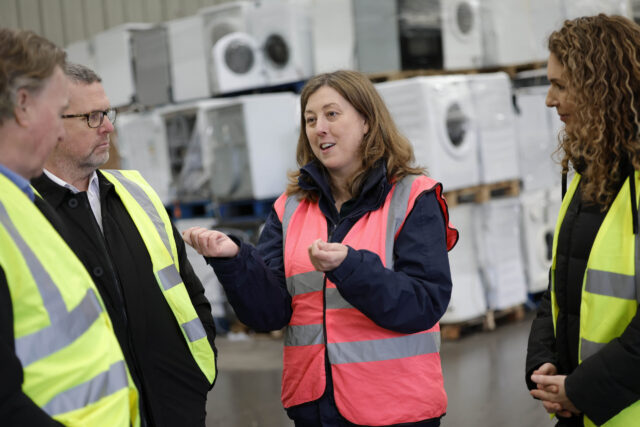 “Because they are usually inexpensive, bought on impulse and easy to replace, fast tech products can be treated as if they are disposable,” said Elizabeth O’Reilly, Director of Environmental Compliance & Circular Economy at WEEE Ireland.
“One product improperly discarded may seem insignificant but when that behaviour is repeated across millions of purchases, these gadgets can become a growing waste problem.
“People may not even realise that even small novelty products can contain electronic components and materials that should be recovered.”
The WEEE Forum Fast Tech Consumer Study highlights the low quality of fast tech products and points to an appetite for longer-lasting alternatives.
Among the 776 respondents in Ireland who answered why they had stopped using these products, 52 per cent cited breakage or a defect.
83 per cent said they would be willing to pay more for at least some similar products if they lasted longer.
When asked what they had done with unused devices, fewer than half brought at least one item to a recycling centre or in-store recycling point, and more than one in three said they had binned them. More than one in four hoarded them at home. Respondents could select more than one disposal route.
“We’re urging people to treat these items as they would any other electrical product. If it can be repaired or reused, that can extend its life,” said Ms O’Reilly.
“When it reaches the end of its life, it should be recycled through the free take-back options at participating retailers and civic amenity sites, so its materials can be recovered for use again as part of the circular economy.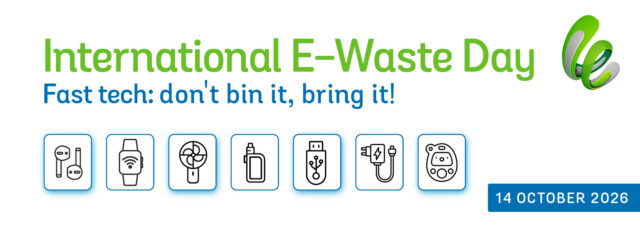
“Many of these products also contain lithium batteries, that if discarded in household bins, can be damaged during waste processing leading to fires in bin trucks or at recycling centres.”
“Ireland has built a strong electrical recycling system over the past 20 years, with consumers, retailers and civic amenity sites all playing a part. We’d ask people to co-operate with us as we work with industry to meet the new challenges posed by growing range of products entering our homes.”
WEEE Ireland encourages people to bring unwanted fast tech to their nearest recycling point.